
From Broken to Brilliant: Essential Jewelry Fixes

A favorite ring does not become fragile overnight. A bracelet clasp rarely fails without warning. A diamond usually gives small signs before it loosens. The trouble is that most jewelry damage starts quietly, then becomes obvious at the worst possible moment.
That is why routine jewelry repair and inspection matter so much. At Ronnie's Jewelers, essential services like ring mountings, sizing adjustments, bracelet clasp repair, diamond checks, cleaning, and inspection help keep treasured pieces wearable, secure, and beautiful. Whether it is an engagement ring worn every day or a bracelet saved for special occasions, expert care can protect both the look and the value of fine jewelry.
Why professional jewelry repair is worth it
Jewelry is built to last, but it is not built to be ignored. Daily wear exposes rings, bracelets, necklaces, and earrings to pressure, soap, lotion, towels, clothing fibers, temperature changes, and accidental knocks. Even strong metals can bend. Prongs can lift. Clasps can weaken. Stones can shift.
Professional jewelry repair gives each piece the right kind of attention. A trained jeweler can see problems that are easy to miss at home, especially with small settings, hidden joints, and worn links.
Common signs a piece needs service include:
A ring that spins, pinches, or slips off
A stone that clicks when touched
Prongs that catch on fabric
A bracelet clasp that feels loose or hard to close
Discoloration around settings
A chain or link that looks stretched
Dirt buildup under gemstones
A ring shank that has become thin or misshapen
The goal is simple. Repair small issues before they become expensive or heartbreaking ones. A quick diamond check today can help prevent a missing stone later. A clasp repair can keep a bracelet from falling unnoticed. A sizing adjustment can make a ring safer and more comfortable to wear every day.
Ring mountings protect the centerpiece of your jewelry
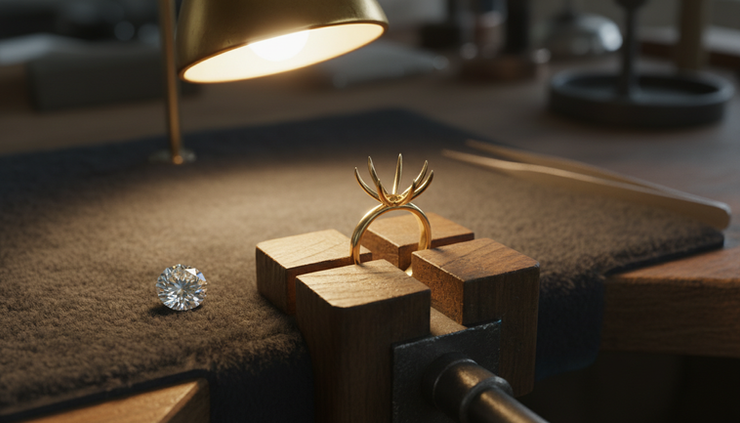
The mounting is the structure that holds a gemstone in place. On a ring, that may include the head, prongs, basket, shank, shoulders, and any side stone settings. When the mounting is strong, the ring feels secure and balanced. When it wears down, the center stone may become vulnerable.
Ring mountings can need attention for several reasons. Prongs may flatten from years of wear. A head may bend after a hard impact. The shank may thin on the underside where it rubs against surfaces. Side stones may loosen if small prongs wear unevenly.
At Ronnie's Jewelers, ring mounting repair may involve tightening stones, rebuilding prongs, replacing worn heads, reshaping the ring, or recommending a new mounting if the current one no longer protects the stone well. This kind of work requires precision. A ring can look fine from above while the underside tells a different story.
A professional inspection helps answer important questions:
Are the prongs long enough to cover the stone securely?
Is the stone sitting straight in the setting?
Has the metal become too thin in high-wear areas?
Are side stones still tight?
Does the mounting match how often the ring is worn?
For example, a ring worn daily needs a different level of durability than a cocktail ring worn a few times a year. A jeweler can recommend repairs that fit the piece and the way it is used.
At-home tip: Run a soft cloth gently over the top of a ring. If a prong snags, schedule an inspection. Do not pull or bend the prong yourself, since that can weaken the setting further.
Ring sizing adjustments improve comfort and security
A ring should feel comfortable, but it should also stay in place. If it slides off too easily, the risk of loss goes up. If it is too tight, it can become painful and difficult to remove.
Sizing adjustments are one of the most common jewelry repair services, and for good reason. Fingers can change size because of weather, activity, age, weight changes, pregnancy, medication, and normal swelling throughout the day. A ring that fit perfectly years ago may no longer feel right.
Professional ring sizing is more than making a ring bigger or smaller. The jeweler must consider the metal, stone placement, engraving, ring style, and overall structure. Some rings can be resized in a straightforward way. Others, such as eternity bands or rings with stones around the entire shank, may need special planning.
A proper sizing service may include:
Measuring the finger accurately
Checking the ring’s current shape and thickness
Evaluating stones and settings before work begins
Adding or removing metal from the shank
Restoring the ring’s round shape
Polishing and inspecting the piece after sizing
The result should not look like a repair. A well-sized ring should feel natural on the hand, move slightly over the knuckle, and stay secure once it is on.
At-home tip: Do not use tape, glue, string, or improvised fillers to make a loose ring fit. These can trap moisture, irritate skin, or damage the ring. If a ring is temporarily too loose, a jeweler may be able to suggest a safer short-term option until permanent sizing makes sense.
Bracelet clasps need attention before they fail
Bracelets move constantly. They brush against sleeves, tables, bags, car doors, and other jewelry. Because they sit on the wrist, they also experience more twisting and pulling than many people realize. The clasp takes much of that stress.
A good clasp should close securely and open only when intended. If it feels weak, sticky, bent, or unreliable, it is time for a repair.

Common bracelet clasp problems include:
Lobster clasps that no longer spring closed
Box clasps that feel loose
Safety catches that do not snap into place
Jump rings that have opened slightly
Chain ends that have worn thin
Hinged clasps that stick or feel gritty
Ronnie's Jewelers can inspect the clasp, connecting rings, bracelet links, and safety features together. That matters because the clasp may not be the only weak point. Sometimes the clasp works, but the small ring connecting it to the bracelet has stretched open. In other cases, the clasp itself has worn beyond adjustment and should be replaced.
A professional repair helps preserve the bracelet’s appearance while restoring dependable function. This is especially important for charm bracelets, tennis bracelets, heirloom bracelets, and diamond bracelets, where a loose clasp can put many valuable components at risk.
At-home tip: Before wearing a bracelet, close the clasp and give it a gentle test over a soft surface. If it opens with light pressure, do not wear it until it has been checked.
Diamond checks help prevent stone loss
Diamonds are hard, but the settings that hold them still need care. A diamond check looks at the security of the stone and the condition of the metal around it. This service is useful for engagement rings, wedding bands, diamond earrings, pendants, tennis bracelets, and any piece with small accent stones.
A loose diamond may not be visible right away. Sometimes the first clue is a faint clicking sound when the ring is tapped near the ear. Other times, the stone looks slightly tilted, or the prong tips no longer sit evenly over the crown of the diamond.
During a professional diamond check, a jeweler may examine:
Prong tips and prong height
The seat where the diamond rests
Side stone settings
Pavé and channel settings
Metal wear around the stone
Signs of impact or bending
Dirt buildup that may hide damage
Diamond checks are especially valuable after a ring has taken a hard hit. Even if the diamond itself is unharmed, the mounting can shift. The same applies after years of everyday wear. Small changes in the setting can grow into bigger problems over time.
At-home tip: Avoid checking a diamond by pressing hard on it. If it already feels loose, pressure can make the problem worse. Place the jewelry in a safe container and bring it in for inspection.
Cleaning and inspection keep jewelry looking its best
Cleaning does more than make jewelry sparkle. It helps reveal the condition of the piece. Dirt, lotion, soap film, and skin oils can collect under stones and inside settings. This buildup can dull the shine and hide worn prongs or small cracks.
Professional cleaning and inspection work together. Cleaning clears away residue so the jeweler can see the details. Inspection then identifies issues that may need repair.
At Ronnie's Jewelers, cleaning and inspection may be recommended for pieces worn often, especially rings and bracelets. Engagement rings, wedding bands, diamond studs, and tennis bracelets benefit from regular attention because they see frequent contact with skin, water, and surfaces.
At home, simple habits can help maintain jewelry between professional visits:
Remove jewelry before cleaning, gardening, swimming, or heavy lifting
Put jewelry on after lotion, perfume, sunscreen, and hair products
Store pieces separately to prevent scratching
Use a soft cloth after wearing jewelry
Keep chains clasped when stored to reduce tangling
Avoid sleeping in delicate necklaces, bracelets, or earrings
Bring heavily worn pieces in for routine inspection
For many diamond and gold pieces, gentle cleaning at home can help. Use warm water, mild dish soap, and a soft brush only when the piece is known to be safe for that method. Some gemstones, finishes, and antique settings need special care. When in doubt, ask a jeweler before cleaning.
A clean piece of jewelry is easier to inspect, and an inspected piece is easier to protect.
When to bring jewelry to Ronnie's Jewelers
Some repairs should not wait. If a stone is loose, a clasp is unreliable, or a ring feels unsafe on the finger, stop wearing the piece until it is checked. Wearing damaged jewelry can turn a small repair into a larger one.
Bring jewelry in for professional service if you notice:
A missing or bent prong
A diamond or gemstone that moves
A clasp that opens unexpectedly
A ring that no longer fits
A bracelet that feels stretched
A chain that has a kink or weak spot
A stone that looks cloudy even after gentle cleaning
A piece that has been dropped or hit hard
Even when nothing seems wrong, periodic inspections are a smart habit. Jewelry with daily wear deserves regular attention because it faces constant friction and pressure. Special occasion pieces should also be checked, especially before weddings, anniversaries, travel, or important events.

Why DIY repairs can cost more in the long run
It can be tempting to fix jewelry at home, especially when the issue looks small. A clasp may seem like it only needs bending. A prong may look easy to push down. A ring may seem close enough to adjust with a store-bought insert.
The risk is that jewelry damage is often more complex than it appears. Bending metal back and forth can weaken it. Household tools can scratch gold or platinum. Glue can damage stones, trap debris, and make later repairs harder. Aggressive cleaning can harm delicate gems, pearls, plated finishes, or antique details.
Professional jewelers use proper tools, magnification, cleaning methods, and repair techniques. They also know when not to repair something in a certain way. For example, a worn prong may need rebuilding rather than bending. A stretched bracelet link may need replacement rather than tightening. A loose stone may reveal a deeper mounting issue.
Choosing professional jewelry repair protects:
Sentimental value
Stone security
Metal integrity
Daily comfort
Long-term wearability
Appearance and finish
That care matters most for pieces with emotional meaning, such as engagement rings, wedding bands, family heirlooms, anniversary gifts, and jewelry passed down through generations.
A simple care routine for treasured pieces
Good jewelry care does not need to be complicated. A few steady habits can reduce wear and help repairs last longer.
Start with a weekly visual check for pieces worn every day. Look at the prongs, clasp, chain, and links. Check whether stones sit evenly. Notice any sharp edges or fabric snags.
Store jewelry with space between pieces. Diamonds can scratch other gemstones and metals, so avoid tossing everything into one dish. Soft pouches, lined boxes, and separate compartments are better choices.
Be mindful during hands-on tasks. Rings and bracelets are more likely to be damaged during workouts, cleaning, yard work, moving furniture, and cooking. Removing them before these activities can prevent dents, bent prongs, and broken clasps.
Schedule professional cleaning and inspection as part of regular care. This is one of the easiest ways to catch early wear. It also keeps jewelry looking bright and ready to wear.
Most of all, pay attention to changes. Jewelry often gives a warning before it fails. A clasp feels different. A ring spins more than usual. A prong catches. A diamond looks slightly off center. Treat those signs as reminders to have the piece checked.
Essential jewelry repairs at Ronnie's Jewelers help keep treasured pieces safe, comfortable, and beautiful. From ring sizing and ring mountings to bracelet clasps, diamond checks, cleaning, and inspection, expert service can extend the life of the jewelry people reach for again and again.
A well-loved piece deserves more than a quick fix. It deserves careful hands, the right tools, and repairs made to last.


Comments